In recent years, the healthcare industry has been shifting towards modular operating rooms. "Why do hospitals prefer modular operating rooms?" is a question many are asking. According to Dr. Sarah Collins, a renowned expert in surgical facility design, "Modular operating rooms enhance efficiency and adaptability in surgical environments." This insight highlights a growing trend.
Modular operating rooms offer key benefits that attract hospitals. Customization and quick assembly are just the beginning. These innovative setups can reduce renovation time and cost significantly. Hospitals often face challenges with traditional operating room designs, which can be inflexible and slow to adapt to new technologies. Modular options, however, allow for rapid upgrades without extensive downtime.
Moreover, the flexibility of modular rooms can lead to improved patient outcomes. Facilities can easily modify workflows as needed. However, some question whether these changes may lead to overestimations of efficiency. As hospitals explore options, the need for careful planning and consideration remains vital. Special attention must be paid to ensure that the benefits of modular designs truly translate into actual improvements in clinical practice.
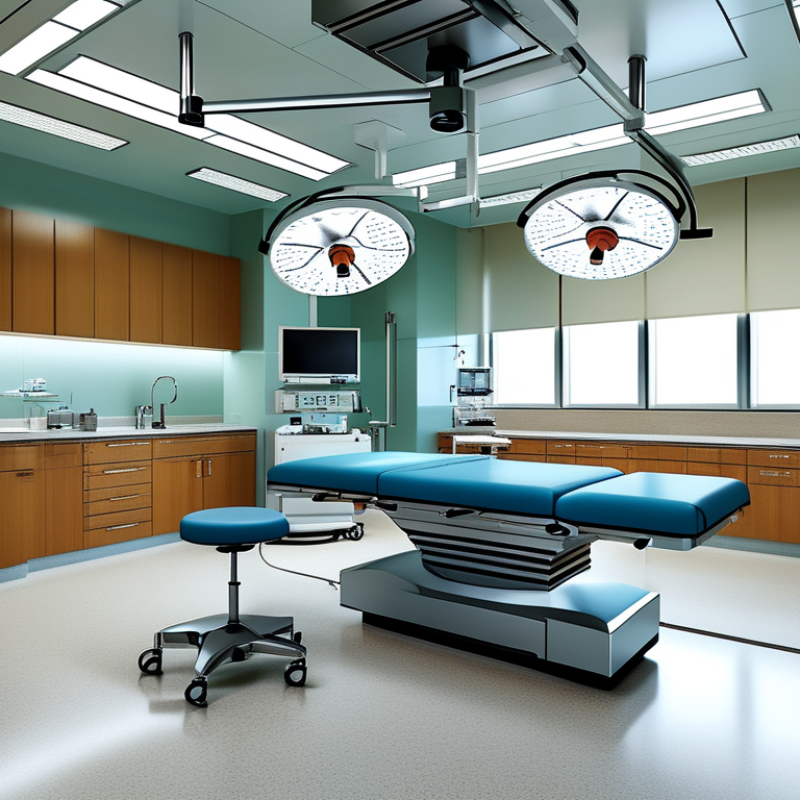
Key Advantages of Modular Operating Rooms for Hospitals
Modular operating rooms are reshaping the landscape of hospital design and efficiency. One key advantage lies in their adaptability. Hospitals can tailor these spaces to fit various surgical needs, making it easier to accommodate diverse procedures. This flexibility is crucial as healthcare demands evolve continuously.
Another benefit is the accelerated construction timeline. Modular units can be prefabricated off-site, reducing downtime for hospitals. This means less disruption to ongoing operations, allowing medical staff to focus on patient care. Furthermore, the installation process is often quicker, minimizing the usual construction headaches.
Cost-effectiveness is another facet worth noting. While the initial investment might seem significant, the long-term savings can be substantial. Energy-efficient designs and reduced operational costs make these rooms a smart choice. Yet, it's essential to consider the maintenance aspects, as newer technologies may require specialized training for staff. This highlights the need for ongoing evaluation and adaptation in hospital management practices.
Enhanced Flexibility and Scalability in Surgical Environments
Modular operating rooms are transforming surgical settings, emphasizing enhanced flexibility and scalability. These rooms adapt quickly to varying procedural needs. According to a report by the American College of Healthcare Architects, 83% of hospitals find modular designs significantly improve their operational efficiency. This approach enables healthcare facilities to reconfigure spaces as required, responding to patient volume surges without costly renovations.
Flexibility is crucial in modern healthcare. Modular operating rooms are designed for quick assembly and disassembly. A study from the Journal of Surgical Research indicates that these structures can reduce construction time by up to 30%. This rapid adaptability allows hospitals to implement advanced technologies sooner. Moreover, staff can tailor the environment for specific procedures, fostering improved patient care and outcomes. Despite these benefits, some may question the long-term durability of modular solutions compared to traditional builds.
Healthcare leaders must consider potential challenges. The integration of modular operating rooms requires careful planning. Hospitals should align operational workflows with the modular design. While costs may be reduced in the long run, initial investments could be a concern. Adapting to new systems involves training staff effectively and ensuring seamless transitions. Balancing immediate benefits with long-term sustainability remains a critical reflection point for healthcare decision-makers.
Benefits of Modular Operating Rooms
This chart illustrates the key benefits of modular operating rooms in surgical environments, highlighting enhanced flexibility, scalability, cost-effectiveness, quick setup, and improved workflow.
Improved Infection Control and Patient Safety Measures
Modular operating rooms are gaining traction in healthcare settings due to their significant advantages in infection control and patient safety measures. A report from the Centers for Disease Control and Prevention indicates that about 1 in 31 hospital patients has at least one healthcare-associated infection. Modular designs can dramatically reduce these risks by allowing for seamless integration of advanced ventilation systems and smooth surface materials. This creates an environment that minimizes the presence of pathogens.
Moreover, modular operating rooms facilitate rapid cleaning procedures. With straightforward layouts and fewer crevices, maintenance staff can efficiently sanitize all surfaces, reducing infection rates. Studies show that enhanced cleaning protocols can lower the risk of infections in surgical units by up to 30%. Additionally, the flexibility of modular designs allows hospitals to adapt their layouts based on emerging health data and trends, an essential factor in today’s rapidly changing medical landscape.
However, the adoption of modular operating rooms is not without challenges. Some healthcare systems struggle with the initial investment and may hesitate due to budget constraints. There can be learning curves associated with new operational procedures and staff training, creating a gap in effective implementation. Addressing these hurdles is crucial for maximizing the benefits of improved infection control and enhanced patient safety.
Cost-Effectiveness and Efficient Resource Management
Hospitals are increasingly shifting towards modular operating rooms due to their cost-effectiveness and efficient resource management. A report from the American Hospital Association indicates that modular systems can reduce construction costs by up to 30%. These savings stem from shorter construction times and less disruption to ongoing hospital operations. By utilizing prefabricated elements, hospitals can minimize the time spent on-site, allowing for a faster return to patient care and service continuity.
In terms of resource management, modular operating rooms offer flexibility. Facilities can adapt spaces as needs change without extensive renovations. According to a study published in the Journal of Healthcare Management, hospitals that implemented modular designs saw a 20% improvement in operational efficiency. This means that resources, both financial and physical, are allocated more effectively. However, while modular solutions are promising, the initial investment can be daunting for some. This suggests a need for careful financial planning and assessment.
Moreover, the integration of advanced technology into these modular designs can sometimes face delays in technology adoption. This can impact the long-term viability of the modular solution. Addressing these challenges requires strategic analysis and a commitment to ongoing evaluations. As hospitals navigate this evolving landscape, the potential for modular operating rooms to redefine efficiency in healthcare remains a topic of keen interest and scrutiny.
Why Do Hospitals Prefer Modular Operating Rooms? 5 Key Benefits
| Benefit |
Description |
Estimated Cost Savings (%) |
Implementation Time (Months) |
| Cost-Effectiveness |
Modular operating rooms reduce construction and operational costs. |
15% |
6 |
| Efficient Resource Management |
Flexibility in configuration allows for optimal use of space and resources. |
20% |
4 |
| Quick Deployment |
Faster setup time translates to quicker patient service commencement. |
10% |
3 |
| Scalability |
Ability to expand or modify operating rooms as demand changes. |
25% |
5 |
| Enhanced Patient Flow |
Improves surgical throughput and reduces waiting times. |
15% |
2 |
Streamlined Installation and Faster Project Completion Timelines
Modular operating rooms are revolutionizing hospital construction. Their design allows for streamlined installation. This leads to faster project completion timelines. A report from the American Institute of Architects highlights that modular construction can reduce timelines by 30% to 50%. Hospitals are under pressure to provide timely surgical services. Speed in building new facilities can significantly enhance operational efficiency.
Moreover, modular operating rooms minimize the disruption typically caused by construction. Traditional construction often leads to noise and dust in active hospital areas. Using a modular approach mitigates these issues, creating a more serene environment. According to a study by the Modular Building Institute, facilities report fewer patient complaints during construction periods when using modular methods. Timely completion also allows hospitals to start services sooner, which is financially beneficial.
However, rushing projects can present challenges. Sometimes, prefabricated components may not fit perfectly on-site. This may result in unexpected delays or modifications. Yet, with careful planning, these potential pitfalls can be addressed. Hospitals must balance speed with quality to ensure a successful implementation of modular operating rooms. Ultimately, the focus remains on creating effective, efficient, and safe environments for patient care.
Conclusion
Modular operating rooms have become increasingly popular among hospitals, leading to the question, "Why do hospitals prefer modular operating rooms?" One of the key advantages is their enhanced flexibility and scalability, allowing facilities to adapt to varying surgical needs quickly. Additionally, these rooms contribute to improved infection control and patient safety measures, creating a more secure environment for surgeries.
Cost-effectiveness is another significant benefit, as modular designs optimize resource management and reduce overall expenditure. Furthermore, the streamlined installation process ensures faster project completion timelines, enabling hospitals to increase surgical capacity and serve patients more efficiently. Overall, the combination of these factors makes modular operating rooms a preferred choice for modern healthcare facilities.

 Emfix Medical