How to improve airflow in an operating theater? The answer begins with control, not simply stronger fans. Air must move predictably around the sterile field, surgical team, equipment, and patient. Pressure relationships, air-change rates, filtration, temperature, humidity, and diffuser placement all influence performance.
Joseph Allen, DSc, an indoor-air-quality researcher at Harvard T.H. Chan School of Public Health, has stated, “We can’t clean our way out of a ventilation problem.” His warning applies strongly to operating theaters. A high-efficiency filter cannot correct poorly directed supply air or an unbalanced exhaust system. The room may look clean while contaminated air moves across the table.
This guide examines seven practical ways to improve airflow in an operating theater. They include verifying positive pressure, checking air-change performance, improving HEPA filtration, optimizing ceiling diffusers, controlling door movement, using smoke visualization, and scheduling documented maintenance. Small details matter. A door left open can disturb the intended pressure pattern. A poorly positioned surgical light can interrupt downward airflow. A blocked return grille can create stagnant zones near the floor.
The process is not perfectly simple. Different procedures require different airflow strategies, and local healthcare standards may vary. Measurements should support decisions, not replace engineering judgment. Qualified ventilation specialists should review the system, especially during renovation or equipment changes. Some improvements may seem obvious but deliver little benefit without balanced testing. Reliable results come from commissioning, repeated monitoring, and honest review when the airflow map does not match the design drawings.
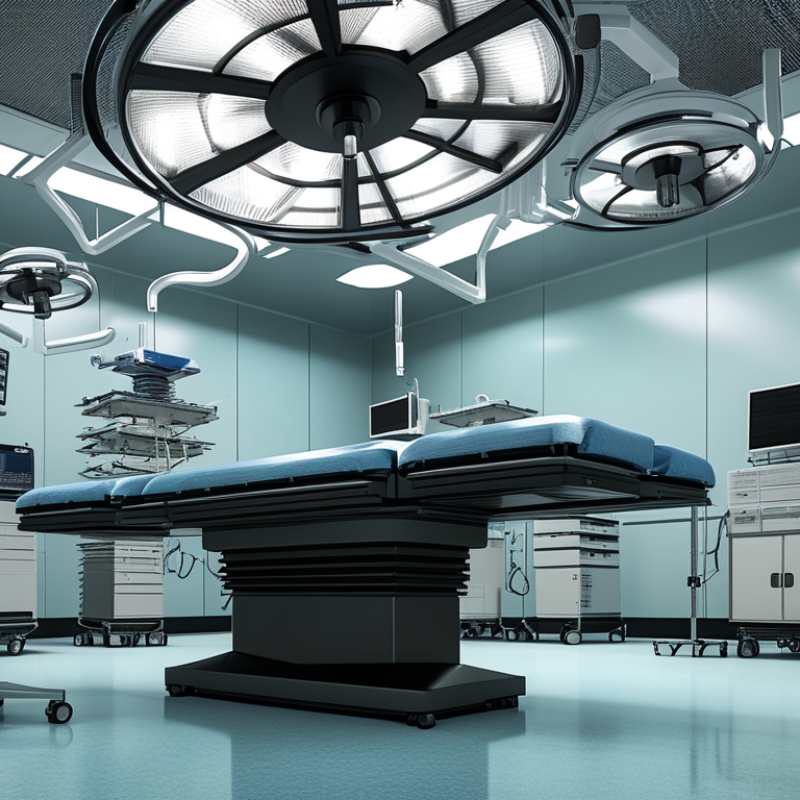
Assessing an operating theater’s airflow begins with the procedure, not the equipment. A high-risk surgery may require cleaner air, stable temperature, and controlled pressure. Minor procedures may need different ventilation targets. Local healthcare regulations and clinical engineering guidance should define the final requirements.
During a site assessment, record room size, door locations, ceiling systems, return grilles, and nearby corridors. Measure supply airflow, return airflow, air changes, temperature, humidity, and pressure direction. Smoke visualization can reveal short-circuiting or stagnant zones around the operating table. Small details matter.
The operating table is the critical zone.
Maintain the intended pressure relationship when doors open. Check it during realistic activity, not only when the room is empty. Staff movement, lighting, equipment, and surgical drapes can disturb airflow. Filtration should match the clinical risk and maintenance plan. Monitoring devices also need regular calibration.
A perfect design on paper can fail in practice. I have seen clean supply air bypass the patient area because a return grille was poorly positioned. That finding changed the assessment. Recheck performance after construction, filter replacement, and major equipment changes. Keep clear records, and involve infection prevention staff, surgeons, facilities engineers, and anesthetic personnel. Their observations often expose problems that instruments miss.
: Start with the procedure, surgical risk, room occupancy, and applicable healthcare standards. High-risk surgery may need cleaner air, stable temperature, and controlled pressure.
Record room size, door locations, ceiling systems, return grilles, and nearby corridors. Measure airflow, air changes, temperature, humidity, and pressure direction.
The patient and surgical field need steady clean airflow. Supply air should move smoothly across the table and toward low-level returns.
No. Higher airflow can still create turbulence when diffusers are poorly positioned. More airflow is not automatically better.
Use smoke visualization to reveal swirling air, stagnant zones, or short-circuiting. Particle monitoring can provide additional evidence during simulated procedures.
Test during realistic activity, including staff movement, surgical lights, equipment, and door openings. An empty room can give misleading results.
Lights, surgical drapes, equipment, and blocked supply paths can disturb the intended pattern. A poorly positioned return grille may pull clean air away from the patient.
Recheck performance after construction, filter replacement, and major equipment changes. Keep clear records. Calibration also matters.
Include infection prevention staff, surgeons, facilities engineers, and anesthetic personnel. Their observations may reveal issues that instruments miss.
Yes. A design can look excellent on paper yet perform poorly during surgery. Independent verification and repeated observation can expose those gaps.
How to improve airflow in an operating theater? Begin by assessing the room’s ventilation requirements, surgical procedures, occupancy, and contamination-control goals. Air changes should be optimized to remove airborne particles efficiently, while unidirectional airflow patterns should deliver clean air toward the operating area without creating turbulence. Proper pressure relationships are also essential: the operating theater should generally remain positively pressurized compared with adjacent spaces, helping limit the entry of contaminated air.
Effective airflow management also depends on reliable filtration, stable temperature, and controlled humidity. Filters should be selected and replaced according to system requirements, while environmental conditions should support both patient safety and staff comfort. Finally, airflow performance should be monitored, tested, and documented regularly. Routine inspections can identify blocked filters, equipment problems, pressure imbalance, or changes in air movement before they affect surgical conditions. A planned maintenance program ensures that ventilation systems continue to perform consistently and support a clean, controlled operating environment.

 Emfix Medical