How to Effectively Clean and Disinfect Operating Room Equipment?

Time:2026-08-17 Author:Sophia
0%

Cleaning and disinfecting operating room equipment is crucial for patient safety. In surgical settings, the risk of infection can be high. Understanding "How to clean and disinfect operating room equipment?" is essential for healthcare professionals.

Effective cleaning requires a systematic approach. Each piece of equipment has unique cleaning instructions. For example, surgical instruments need thorough scrubbing and sterilization. Disinfectants must be suitable for the equipment material to avoid damage. Awareness of proper techniques prevents cross-contamination and safeguards health.

Despite following protocols, challenges can arise. Staff may overlook certain areas or fail to use the right products. Regular training and audits can help improve practices. It is vital to reflect on these processes to ensure high standards of cleanliness in operating rooms.
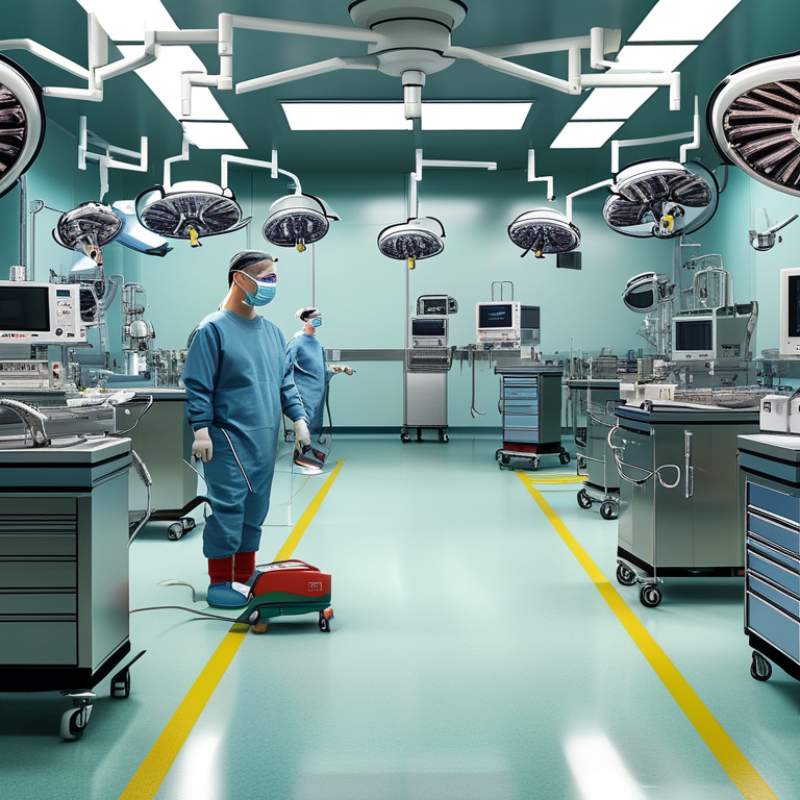
How to Effectively Clean and Disinfect Operating Room Equipment?

Understanding the Importance of Cleaning and Disinfecting Operating Room Equipment

Cleaning and disinfecting operating room equipment is crucial in maintaining patient safety. Contaminated tools can lead to infections, extending recovery times. Understanding the complex environment of an operating room helps emphasize the need for consistent hygiene practices. Every surface, from surgical lights to trays, requires meticulous cleaning. This ensures a sterile setting for each procedure.

Many healthcare professionals may overlook the nuances of cleaning. An equipment’s design often complicates thorough disinfection. Curved surfaces or hard-to-reach areas can harbor pathogens. Regular training sessions can enhance awareness among staff, improving techniques and protocols. However, it's not just about following guidelines; it's about developing a culture of safety and responsibility.

Reflection is essential. Sometimes, cleaning processes might slip due to busy schedules or high-pressure situations. Documentation of cleaning procedures can dissuade complacency. It’s vital to evaluate these practices regularly, seeking improvements. Emphasizing personal accountability can elevate the overall standard of care. By staying vigilant, we can ensure each surgical procedure is conducted in a safe environment.

Key Types of Operating Room Equipment Requiring Regular Disinfection

Operating rooms are critical environments. Regular disinfection of equipment is essential. Key types of equipment include surgical instruments, anesthesia machines, and monitors.

Surgical instruments must be meticulously cleaned after each use. They can harbor bacteria if not properly maintained. Use ultrasonic cleaners to ensure thorough disinfection. It’s also vital to inspect instruments for wear and damage. This step is often overlooked, leading to potential risks during procedures.

Anesthesia machines require regular cleaning as well. Components like the breathing circuit and airway equipment accumulate contaminants. Wipe down surfaces with appropriate disinfectants. Remember to replace filters regularly. Neglecting these tasks can compromise patient safety.

Monitors used in the operating room also need attention. Touchscreens and control panels can harbor harmful pathogens. Utilize alcohol wipes to clean these surfaces frequently. It's easy to forget these touchpoints, but they are essential for maintaining a safe environment.

Step-by-Step Cleaning Procedures for Surgical Instruments and Tools

Cleaning and disinfecting operating room equipment is crucial for patient safety. Surgical instruments and tools must be meticulously cleaned to prevent infection. Begin by removing any visible debris from the instruments. Use a soft cloth or sponge to wipe down surfaces. Make sure to focus on hard-to-reach areas.

After the initial wipe, submerge the instruments in a designated cleaning solution. Ensure the solution meets industry standards for effective disinfection. Use a brush to scrub each tool carefully. Pay particular attention to joints and hinges, as they can harbor bacteria. Rinse the instruments thoroughly with sterile water to remove any remaining cleaner.

Once cleaned, the instruments should be dried properly. Wet instruments can compromise sterility. Use a lint-free cloth for this purpose. After drying, ensure the instruments are stored in a clean, dry area. Regular training on these procedures can help staff maintain high standards, but it’s easy to overlook steps. Keep simple checklists handy for quick reference. Reflecting on the cleaning process ensures continuous improvement and adherence to protocols.

Cleaning and Disinfection Procedures for Surgical Equipment

Effective Disinfection Techniques: Chemicals and Methods for Use

Effective disinfection in operating rooms is crucial for patient safety. Chemical agents such as bleach and hydrogen peroxide are widely used. According to a 2022 report by the American Journal of Infection Control, chemical disinfectants can reduce pathogen presence by up to 99.9% when used correctly. However, improper application can lead to residue problems and equipment damage.

Ultraviolet (UV) light is becoming a popular method for disinfection. UV-C light can inactivate viruses and bacteria effectively. The Centers for Disease Control and Prevention (CDC) recommend its use alongside chemical disinfectants. Yet, extensive studies reveal that UV light may not penetrate all surfaces evenly, leaving some areas untreated. This requires a careful strategy to ensure comprehensive coverage.

Some studies highlight human error in cleaning protocols. A survey found that nearly 40% of staff do not follow established cleaning procedures. This inconsistency can lead to significant infection risks. Continuous training and audits are essential to maintain high standards. Engaging staff in discussions about best practices can deepen their understanding and commitment to effective disinfection.

Maintaining a Routine Cleaning Schedule for Optimal Operating Room Hygiene

A consistent cleaning schedule is crucial for maintaining hygiene in the operating room. It prevents the buildup of harmful pathogens. Regular cleaning reduces infection risks significantly. Staff should stick to a defined timetable, ensuring that all surfaces and equipment are addressed.

Incorporating visual reminders can enhance adherence. Signs in the operating room can prompt team members to remain vigilant. Yet, despite efforts, lapses can occur. It is essential to reflect on missed spots or areas that often get overlooked. Regular audits of the cleaning process reveal patterns that need attention.

Engagement in routine checks fosters a culture of accountability. Training sessions can highlight proper cleaning techniques. Encouraging open discussions about challenges faced ensures continuous improvement. A persistently updated schedule helps maintain standards while allowing for flexibility in response to specific needs.

How to Effectively Clean and Disinfect Operating Room Equipment?

Equipment Cleaning Method Disinfectant Used Frequency Notes
Surgical Instruments Manual cleaning followed by ultrasonic cleaning 70% Ethanol Solution After each use Ensure thorough drying before storage
Patient Monitors Wipe with disinfectant wipes Quaternary Ammonium Compounds Daily Avoid moisture on screen
Operating Tables Spray disinfectant and wipe down Sodium Hypochlorite Solution After each procedure Check for any residue
Endoscopes Manual cleaning and high-level disinfection Glutaraldehyde Solution After each use Ensure compatibility with equipment

FAQS

: Why is cleaning and disinfecting operating room equipment necessary?

: It is crucial for patient safety. Contaminated tools can lead to infections and longer recovery times.

What areas of the operating room require disinfection?

Every surface must be cleaned, including surgical lights, trays, and equipment.

What challenges exist in cleaning operating room equipment?

Equipment design can complicate cleaning. Curved surfaces and hard-to-reach areas may harbor pathogens.

How can healthcare professionals improve their cleaning techniques?

Regular training sessions can enhance awareness and techniques among staff. Accountability matters too.

What happens if cleaning processes are neglected?

Busy schedules may lead to complacency. Documentation can help prevent this by encouraging consistency.

What types of equipment need regular disinfection?

Surgical instruments, anesthesia machines, and monitors require frequent cleaning to maintain safety.

How should surgical instruments be cleaned?

Instruments must be meticulously cleaned after each use, often using ultrasonic cleaners for thorough disinfection.

How often should anesthesia machines be cleaned?

These machines need regular cleaning. Wipe down components like the breathing circuit and change filters frequently.

What about monitors in the operating room?

Touchscreens and control panels should be cleaned often with alcohol wipes to eliminate harmful pathogens.

How can we ensure a safer operating room environment?

Regular evaluation of cleaning practices and personal accountability can promote higher hygiene standards.

Conclusion

Cleaning and disinfecting operating room equipment is crucial for ensuring patient safety and preventing infections. To understand how to clean and disinfect operating room equipment, it is essential to recognize the importance of maintaining a sterile environment. Regular disinfection of key types of equipment, such as surgical instruments and tools, is necessary to uphold hygiene standards.

A systematic approach to cleaning involves following step-by-step procedures tailored for various instruments, utilizing effective disinfection techniques involving appropriate chemicals and methods. Additionally, establishing and adhering to a routine cleaning schedule helps maintain optimal hygiene in the operating room, ultimately safeguarding both patients and healthcare professionals. By prioritizing these practices, medical facilities can enhance their infection control measures and improve overall patient outcomes.

Sophia

Sophia

Sophia is a dedicated marketing professional with an exceptional depth of knowledge about her company's products and services. With a keen understanding of market trends and customer needs, she crafts insightful blog posts that not only inform but also engage readers, enriching the company’s online......