Why Use ICU Pendants to Reduce Cable Clutter?

Time:2026-10-11 Author:Ethan
0%

Why Use ICU Pendants to Reduce Cable Clutter? In a busy intensive care unit, cables can spread across floors, bed spaces, and equipment carts. Ventilator tubing, monitoring leads, power cords, and infusion pump cables often compete for limited space. This clutter can slow access to the patient and complicate cleaning routines. It can also create avoidable trip and snag risks.

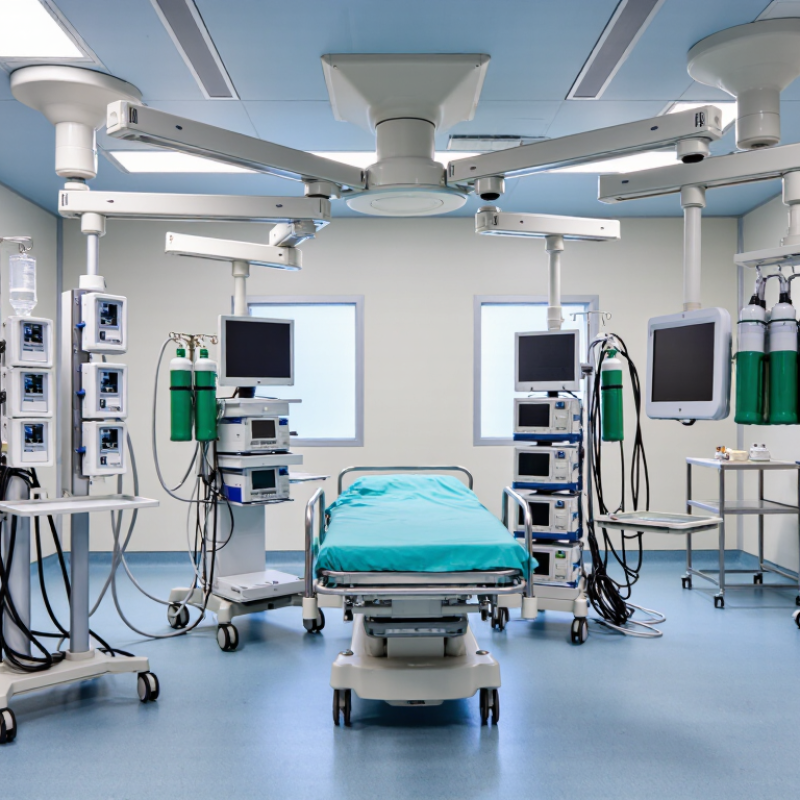
How to reduce cable clutter in the ICU with pendants? Ceiling-mounted ICU pendants place medical gases, electrical outlets, data connections, and equipment supports closer to the bedside. Cables can then follow shorter, more deliberate paths instead of crossing the floor. Adjustable arms may help staff position monitors and pumps around the patient. The improvement is visible: fewer loose loops near the bed wheels, clearer walking routes, and faster access to essential controls.

Good planning matters. Clinical engineers, infection prevention teams, nurses, and physicians should review the layout together. The pendant must support the required equipment load and allow safe movement during emergencies. Outlet locations should match actual workflows, not only architectural drawings. Maintenance access also deserves attention.

Pendants are not a complete solution. Poor positioning can shift clutter upward or restrict staff movement. Some rooms may need additional cable management accessories. Regular audits can reveal what works and what does not. Staff feedback is essential. A practical design should make bedside care safer, cleaner, and easier without creating new obstacles.
Why Use ICU Pendants to Reduce Cable Clutter?

What Are ICU Pendants and How Do They Work?

An ICU pendant is a ceiling-mounted service unit above the patient bed. It supplies medical gases, electrical power, data connections, and task lighting. Some systems use articulated arms, while others use motorized columns. Internal channels guide cables away from the floor. Staff can position monitors, infusion pumps, and ventilators within reach.

The benefit becomes clear beside a crowded bed. Fewer loose cables cross the floor or hang from bed rails. WHO’s Patient Safety Fact Sheet estimates that one in ten patients experiences harm during healthcare delivery. This figure does not prove that pendants prevent harm. It does show why safer layouts deserve attention. The CDC’s National Healthcare Safety Network reports that about one in 31 hospital patients has a healthcare-associated infection on any given day. Cleaner, more accessible surfaces may support better routines, but a pendant cannot replace cleaning discipline.

Designers must match the pendant’s load rating to real equipment, not idealized drawings. Gas outlets need clear labels and easy access. Electrical sockets should remain visible during emergencies. Clearance also matters. An overextended arm can obstruct staff movement or strike nearby equipment. ISO 11197 and facility design guidance provide useful technical references, yet local workflow still decides success. One cable may remain awkwardly placed. That is normal. ICU teams should review the setup after installation, then adjust it when equipment changes.

Why ICU Pendants Help Reduce Cable Clutter

Why Use ICU Pendants to Reduce Cable Clutter?

ICU pendants help reduce cable clutter by moving utilities above the patient zone. Power, data, and medical gas connections stay within controlled overhead routes. This arrangement keeps cables away from floors, bed wheels, and cleaning equipment. It also gives clinicians clearer access during routine care and urgent procedures.

In practice, a well-positioned pendant can shorten cable paths between monitors, ventilators, and wall outlets. Adjustable arms allow staff to move equipment without dragging cords across the bed. Fewer floor-level cables can support safer cleaning and reduce trip hazards. Good planning matters. The pendant must match bed movement, staff reach, and emergency access. A poorly placed unit may create loops or block another caregiver’s working space.

Clinical engineering teams should review cable loads before installation. They can check outlet locations, equipment weight, and maintenance access. Staff feedback is equally important because real workflows often differ from drawings. I have seen tidy layouts become crowded after one additional monitor arrives. That detail is easy to miss. Regular reviews can identify unused cables, strained connections, and awkward equipment positions. Pendants reduce clutter best when design, training, and daily observation work together.

How ICU Pendants Improve Workspace Organization

In a busy intensive care unit, workspace organization affects every movement. ICU pendants lift power outlets, gas connections, and monitoring cables away from the floor. This creates a clearer area around the bed. Staff can reach essential equipment without stepping over wires or moving loose carts.

The improvement is practical. A pendant can position connections above the patient, while adjustable arms help separate devices by function. Ventilator tubing may stay on one side, and monitoring cables on another. This arrangement reduces visual confusion during urgent care. It also makes cleaning easier because fewer cables rest on shelves or flooring. Clinical engineers should verify load limits, electrical safety, and maintenance records before installation. Small details matter.

Still, a pendant does not solve every organization problem. Poorly routed cables can remain tangled, even when they hang overhead. Staff need clear setup rules and regular checks. In practice, a short labeling system helps. So does a quick review after each room change. Some teams may find the first layout inconvenient. That feedback is useful. The best arrangement often develops through observation, not assumptions. When equipment positions match real workflows, the pendant supports safer movement, faster access, and a more orderly bedside environment.

Safety and Infection Control Benefits of ICU Pendants

Why Use ICU Pendants to Reduce Cable Clutter?

Safety and Infection Control Benefits of ICU Pendants

ICU pendants can improve safety by moving cables, outlets, and medical connections away from the floor. In a busy bed space, that clearance matters. Nurses can see walking paths more clearly, while staff face fewer trips during urgent care. A suspended system also keeps lines closer to the patient, reducing loose loops around wheels and bed rails. This is practical protection.

From an infection-control perspective, fewer floor-level cables mean fewer surfaces collecting dust, splashes, and disinfectant residue. Cleaning teams can reach beneath beds more easily, although pendant arms and connection points still require scheduled cleaning. Smooth, accessible surfaces support consistent wiping between patients. However, convenience can create false confidence. A pendant does not replace hand hygiene, isolation procedures, equipment maintenance, or a documented cleaning schedule.

Clinical engineering and infection-prevention teams should check cable loads, locking mechanisms, emergency access, and compatible disinfectants before installation. Training matters too. If lines are overextended or poorly arranged, the pendant may still obstruct care or strain connectors. A layout that works on paper may fail beside an occupied bed. Regular audits can reveal overlooked touch points, damaged sheathing, or cables returning to the floor. That feedback should guide adjustments, not blame.

Why Use ICU Pendants to Reduce Cable Clutter? - Safety and Infection Control Benefits of ICU Pendants

Data Dimension Unmanaged Cable Arrangement ICU Pendant-Supported Arrangement Safety and Infection-Control Relevance
Floor Clearance Power, monitoring, and gas-related lines may extend across the floor or become mixed around the bed area. Services are routed from an overhead location, helping keep essential lines above the floor and close to the point of care. Reducing floor-level obstructions can lower trip hazards and make emergency movement around the bed easier.
Cable Identification Multiple cables can overlap, cross, or become difficult to trace during urgent procedures. Organized routing and dedicated support points make cable paths easier to follow and separate. Clearer cable paths can reduce accidental disconnection and support faster troubleshooting.
Patient-Monitoring Continuity Loose cables are more likely to be pulled, snagged, or displaced when staff move equipment or reposition the patient. Cables can be routed with less slack and secured near the pendant or equipment support area. Improved cable management helps maintain connections to monitoring and therapeutic equipment, although routine checks remain necessary.
Cleaning Access Cables resting on or near the floor can obstruct access to surfaces and create additional areas requiring cleaning. Elevated routing can leave more of the floor and surrounding surfaces accessible for routine environmental cleaning. Better access supports thorough cleaning and disinfection in high-touch and high-risk areas.
Contamination Risk Floor-contacting cables may be exposed to dust, spills, splash, and contact with contaminated surfaces. Overhead routing can reduce direct contact between cables and floor-level contaminants. Reducing unnecessary contact points may support infection-prevention practices; it does not replace cleaning or disinfection.
Equipment Positioning Mobile equipment may need to be placed close to the bed, increasing congestion around the patient zone. Utility connections and equipment supports can be positioned around the bed without relying solely on floor-based arrangements. More usable space can improve staff access to the patient and facilitate bed transfer or emergency response.
Staff Movement Crossing cables can restrict movement for nurses, physicians, respiratory therapists, and support staff. Centralized overhead service delivery can create a more predictable working zone around the bed. Unobstructed access supports safer workflows and reduces the likelihood of staff catching a foot or trolley on a cable.
Emergency Access Loose lines and floor equipment may need to be moved before staff can reach all sides of the bed. Organized services can help preserve access routes around the patient area when the pendant is correctly configured. Maintaining clear access is important during resuscitation, rapid patient transfer, and other time-critical interventions.
Mechanical Protection Cables may be crushed by wheels, caught under equipment, sharply bent, or damaged by repeated movement. Supported routing can reduce exposure to rolling equipment and uncontrolled bending. Protecting cables may reduce equipment faults and the risk of unexpected loss of a service connection.
Maintenance and Inspection Hidden or tangled cables can make visual inspection, replacement, and fault isolation more difficult. Accessible, organized routing makes it easier to inspect cables, connectors, supports, and service outlets. Routine inspection should follow the healthcare facility’s maintenance program and applicable medical-device requirements.
Infection-Control Workflow Cleaning staff may need to work around cables and temporarily move them to reach floors and nearby surfaces. Fewer floor-level cables can simplify cleaning sequences and reduce the number of items requiring repositioning. Workflow simplification can improve consistency, provided surfaces and cables remain compatible with approved disinfectants.
Limitations and Controls Cable clutter remains a concern when devices are added without a defined routing plan. A pendant does not eliminate cables; correct load limits, cable supports, outlet planning, labeling, and regular housekeeping are still required. Risk reduction depends on design, installation, staff training, preventive maintenance, and compliance with applicable hospital policies and standards.

Note: ICU pendant benefits depend on proper design, installation, inspection, cleaning, and clinical workflow planning. A pendant should complement—not replace—established electrical safety and infection-prevention procedures.

Key Factors When Choosing an ICU Pendant System

Why Use ICU Pendants to Reduce Cable Clutter?

Key Factors When Choosing an ICU Pendant System

Choosing an ICU pendant is not simply a cable-management exercise. It is a workflow and safety decision. During bedside assessments, teams should map oxygen, air, power, data, and monitoring connections. The goal is controlled access, not maximum equipment density. WHO’s Global Report on Infection Prevention and Control states that approximately seven in 100 acute-care patients in high-income countries acquire at least one healthcare-associated infection. Smooth surfaces, fewer floor cables, and easier cleaning can support better infection-control routines. They cannot replace disciplined cleaning.

Start with reach, articulation, load capacity, and emergency access. A pendant should move near the patient without crossing staff pathways. Check its rated load against present equipment and likely upgrades. Include infusion pumps, monitors, ventilators, and accessories. Outlet quantity matters, but more outlets can encourage unnecessary devices. Verify electrical separation, grounding, medical gas safety, and applicable IEC 60601 requirements. ECRI’s 2024 Top 10 Health Technology Hazards also highlights risks linked to alarm management. Therefore, cable routing should not hide alarms, labels, or disconnect points. A tidy system can still create confusion.

Tips: Run a mock bedside test with nurses, respiratory therapists, and biomedical engineers. Use real cables and emergency movements. Measure cleaning time. Ask one uncomfortable question: what happens when the pendant fails? A manual backup plan is essential. Designs often look perfect on drawings, yet small obstructions appear during night-shift work. Review the layout after installation, not only before purchasing.

Why Use ICU Pendants to Reduce Cable Clutter?

A well-planned ICU pendant centralizes power, data, medical-gas, and equipment connections near the patient. The chart shows typical planning ranges for one ICU bed, helping teams compare capacity when choosing a pendant system.

Typical planning ranges shown for comparison only; final quantities should be verified against clinical workflow, local regulations, equipment schedules, and facility requirements.

FAQS

What is an ICU pendant?

An ICU pendant is a ceiling-mounted service unit above a patient bed. It supplies medical gases, power, data connections, and task lighting. Some models use articulated arms. Others use motorized columns. Cables stay inside internal channels. That keeps the floor clearer.

How does an ICU pendant reduce cable clutter?

It positions outlets and connections near the patient. Cables do not need to cross the floor. Fewer loose loops collect around bed wheels and rails. Staff can see walking paths more easily. The improvement is practical, not magical.

Can an ICU pendant improve infection-control routines?

It may make floor cleaning easier by removing some cables. Dust, splashes, and disinfectant residue have fewer cable surfaces to collect on. Cleaning staff can reach beneath the bed more easily. However, pendant arms and connection points still need scheduled cleaning. A pendant never replaces hand hygiene or isolation procedures.

What equipment can connect to an ICU pendant?

Common equipment includes monitors, infusion pumps, ventilators, and accessories. Medical gas outlets may support respiratory equipment. Electrical sockets power bedside devices. Data connections support selected monitoring systems. Every connection must remain visible and accessible.

What should teams check before choosing a pendant?

Teams should review reach, arm movement, load capacity, and emergency access. They should map oxygen, air, power, data, and monitoring connections. The rated load must match real equipment. Include future upgrades, not only current devices. Drawings can be misleading.

How can staff test a proposed pendant layout?

Run a mock bedside test with real cables and equipment. Invite nurses, respiratory therapists, and biomedical engineers. Practice emergency movements around an occupied bed. Measure cleaning time beneath and beside the bed. One awkward cable may remain.

What safety problems can poor pendant placement create?

An overextended arm may block staff movement. It could strike nearby equipment or obstruct emergency access. Poor routing may hide alarms, labels, or disconnect points. Heavy equipment can strain connectors or locking mechanisms. A tidy appearance does not guarantee safety.

What happens if an ICU pendant fails?

The unit should have a clear manual backup plan. Staff need alternative access to essential power and medical gases. Emergency routes must remain open. Teams should know how to report faults quickly. This question is often overlooked.

Conclusion

ICU pendants are ceiling-mounted systems designed to bring medical gases, electrical outlets, data connections, and equipment supports closer to the patient without relying on long cables across the floor. They can be positioned and adjusted according to clinical needs, creating a more flexible and organized treatment area. How to reduce cable clutter in the ICU with pendants? By routing power and data connections through overhead pendant arms, hospitals can keep cables off the floor, reduce tangling, and make essential devices easier to access.

In addition to improving workspace organization, ICU pendants can support safer movement for clinicians and patients by maintaining clearer pathways and reducing trip hazards. A tidier environment also makes cleaning and disinfection more efficient, which may support infection-control routines. When selecting an ICU pendant system, facilities should consider load capacity, range of movement, outlet configuration, ergonomic design, ease of maintenance, and compatibility with existing equipment. A well-planned system can improve workflow, safety, and flexibility while helping create a cleaner and more efficient intensive care environment.

Ethan

Ethan

Ethan is a seasoned marketing professional with a deep expertise in our company's innovative product line. With a passion for sharing knowledge and insights, he takes the lead in regularly updating our corporate blog, where he explores industry trends, product features, and effective marketing......